Buying Guides
Indoor vs Outdoor Cold Plunge Installation
A practical guide to choosing indoor or outdoor placement for a cold plunge, including drainage, power, access, service and climate planning.
Author
Kalachakra Editorial Team
Editorial
Published
September 2026
Reading
4 min read
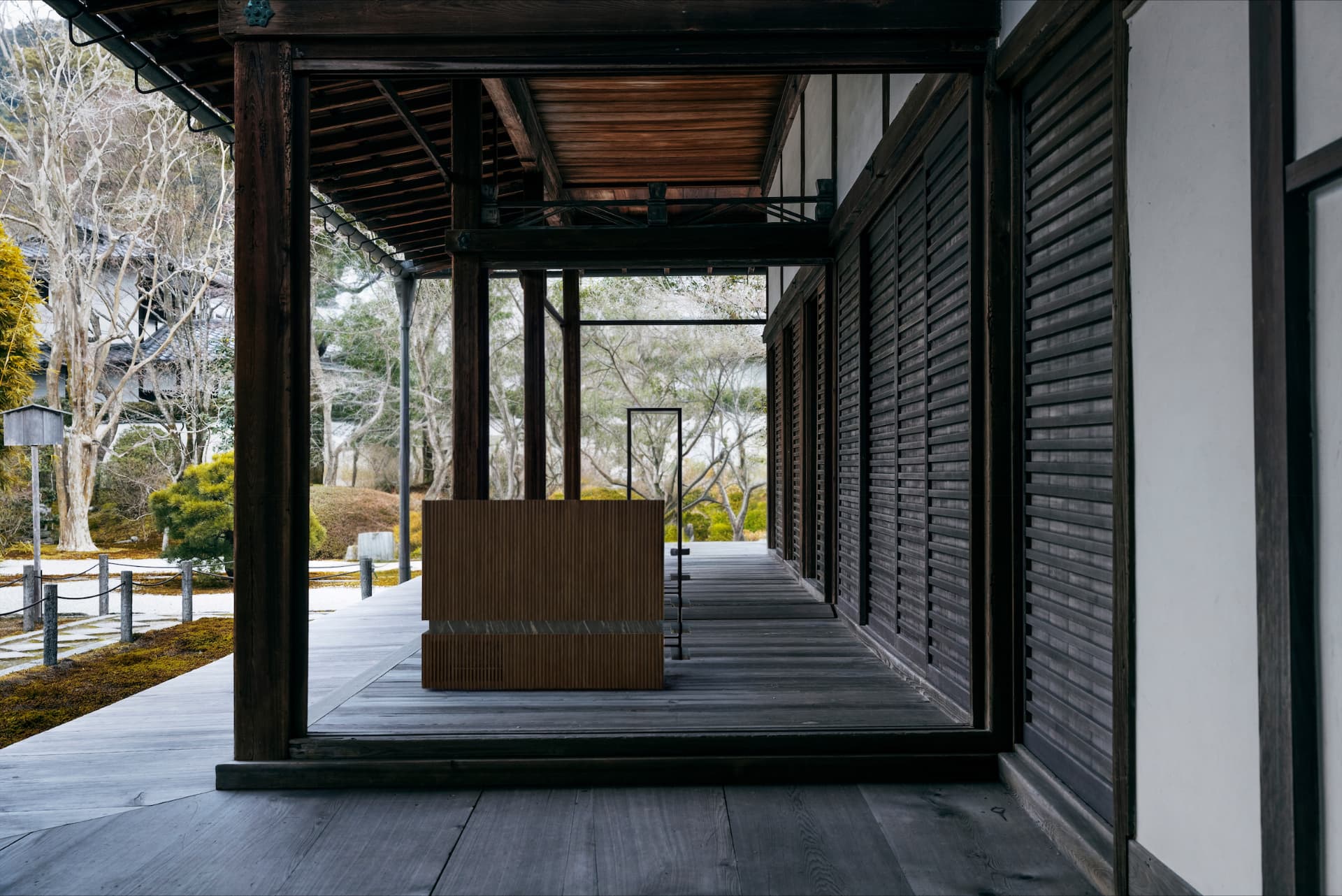
Choosing between indoor and outdoor cold plunge installation is not only an aesthetic decision. It affects access, drainage, electricity, floor loading, humidity, privacy, serviceability and how often the plunge will actually be used.
A premium cold plunge should feel effortless in daily life. That means it needs to be placed where the ritual makes sense and where the technical requirements can be handled cleanly.
Indoor installation: quiet control
Indoor placement is ideal for a dedicated wellness room, private gym, spa suite, pool house or sauna-adjacent space. The advantage is control. The plunge is protected from weather, easier to access year-round and often closer to changing rooms, showers and recovery areas.
Indoor installations require careful planning. Water access and drainage must be considered before the product arrives. The room should tolerate moisture. The floor should support the filled weight of the product. Service access should remain clear. If the plunge is placed too tightly into joinery or walls, it may look beautiful on day one but become difficult to maintain.
Ventilation also matters. Even a clean water system introduces moisture into a room. Designers should consider air movement, material selection and slip-resistant surfaces around the bath.
Outdoor installation: architecture, view and ritual
Outdoor placement can be exceptional when the plunge becomes part of a terrace, garden, sauna deck or poolside composition. The experience is more atmospheric: cold air, landscape, privacy and a stronger sense of ritual.
Outdoor installations require climate awareness. Sun exposure, wind, freezing conditions, rain and debris can all affect the user experience. A cover becomes essential. In colder climates, selected models may require winter packages or specific operating conditions. The outdoor route to the plunge also matters: a product that is beautiful but unpleasant to reach in winter may be used less often.
Power and water requirements
Before installation, the site should be reviewed by qualified local professionals. LOKI, BJORN, FRODE and THOR require a suitable grounded electrical connection, water feed and drainage. Depending on the region, this may mean an RCD-protected outlet in EU/UK/AUS settings or a GFCI-protected outlet in the US.
The electrical solution should not be improvised. Avoid extension cords, temporary outdoor outlets or unverified circuits. A cold plunge is a water-based electrical product; the local electrician's confirmation is part of responsible ownership.
Access and delivery route
Access is often underestimated. Before ordering, measure the full route from curbside to final location. Consider gates, stairs, narrow paths, elevators, slopes, decking and finished floors. A heavy product may require additional equipment or local handling teams.
For larger models, this becomes even more important. STIG, for example, may require crane or forklift unloading depending on the delivery location. Movement from curbside to the final installation position is not included unless separately confirmed.
Service access
A cold plunge should not be designed into a corner without service access. Integrated systems need hidden but reachable hatches. Separate technical cabinets need space around them. Drainage and filters should be accessible without dismantling the surrounding architecture.
This is where early architect or designer involvement helps. The best installations look simple because the technical planning happened early.
Indoor or outdoor: how to decide
Choose indoor installation if the priority is year-round comfort, privacy and proximity to gym, sauna or shower facilities. Choose outdoor installation if the priority is landscape, open air, terrace living and architectural drama.
For many luxury homes, the ideal answer is semi-outdoor: a covered terrace, wellness pavilion, pool house or sheltered courtyard. It gives outdoor atmosphere without full exposure.
FAQ
Can a cold plunge be installed indoors?
Yes, with proper power, water, drainage, ventilation, floor support and service access.
Can a cold plunge be installed outdoors?
Yes, selected models are suitable for outdoor use when installed according to the required conditions.
Who installs the product?
Installation is not included. The customer should arrange qualified local professionals.
What should be checked before delivery?
Access route, electrical supply, drainage, water feed, floor/load capacity, service access and unloading requirements.
Send your floor plan or project context to request placement guidance before final specification.
Request a consultationRelated essays
All essays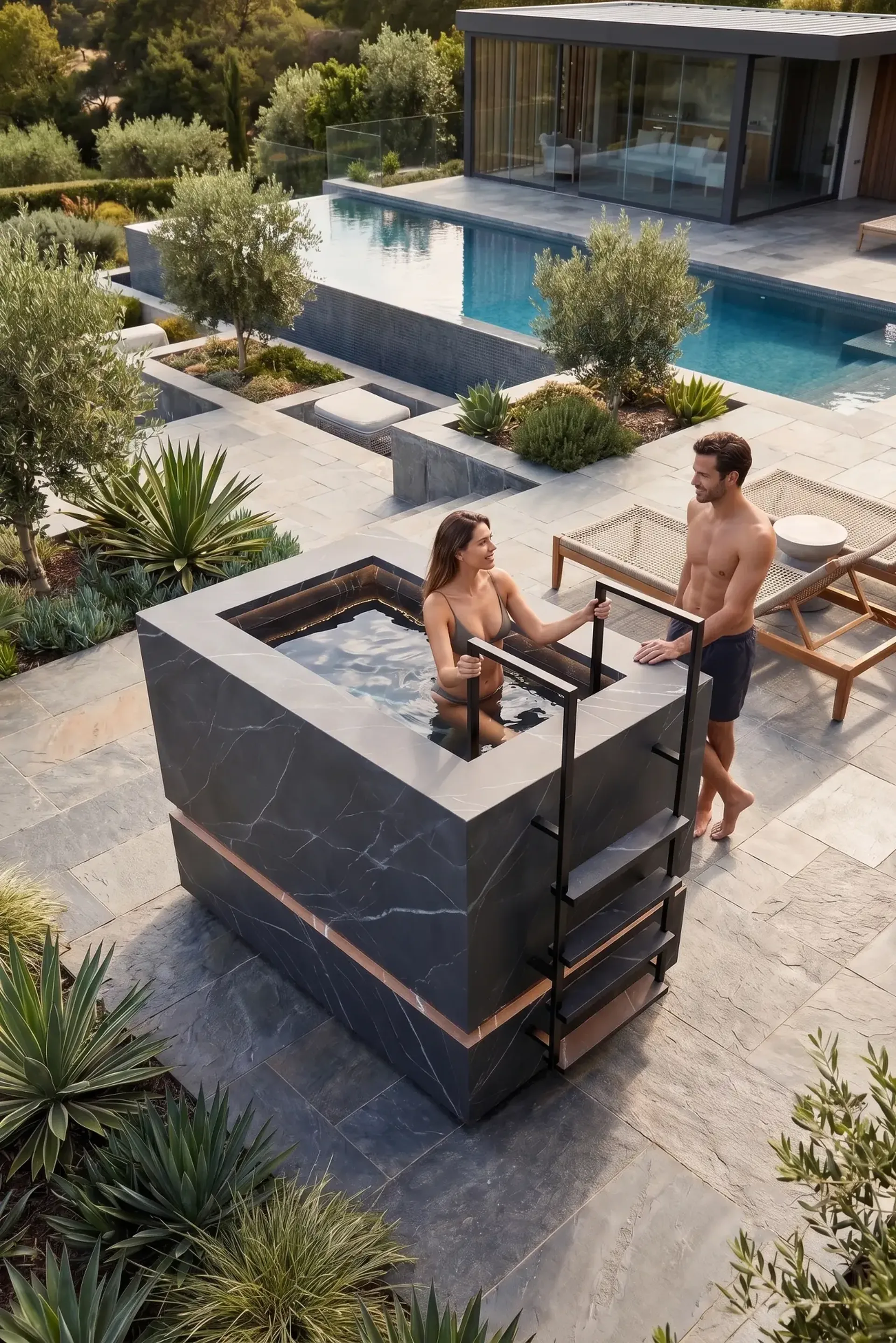
Buying Guides · 6 min read
Cold Plunge with Built-In Chiller: What to Know Before Buying?
Temperature range, noise, filtration, service access and architectural integration — what to review before choosing an integrated cold plunge.
Buying Guides · 7 min read
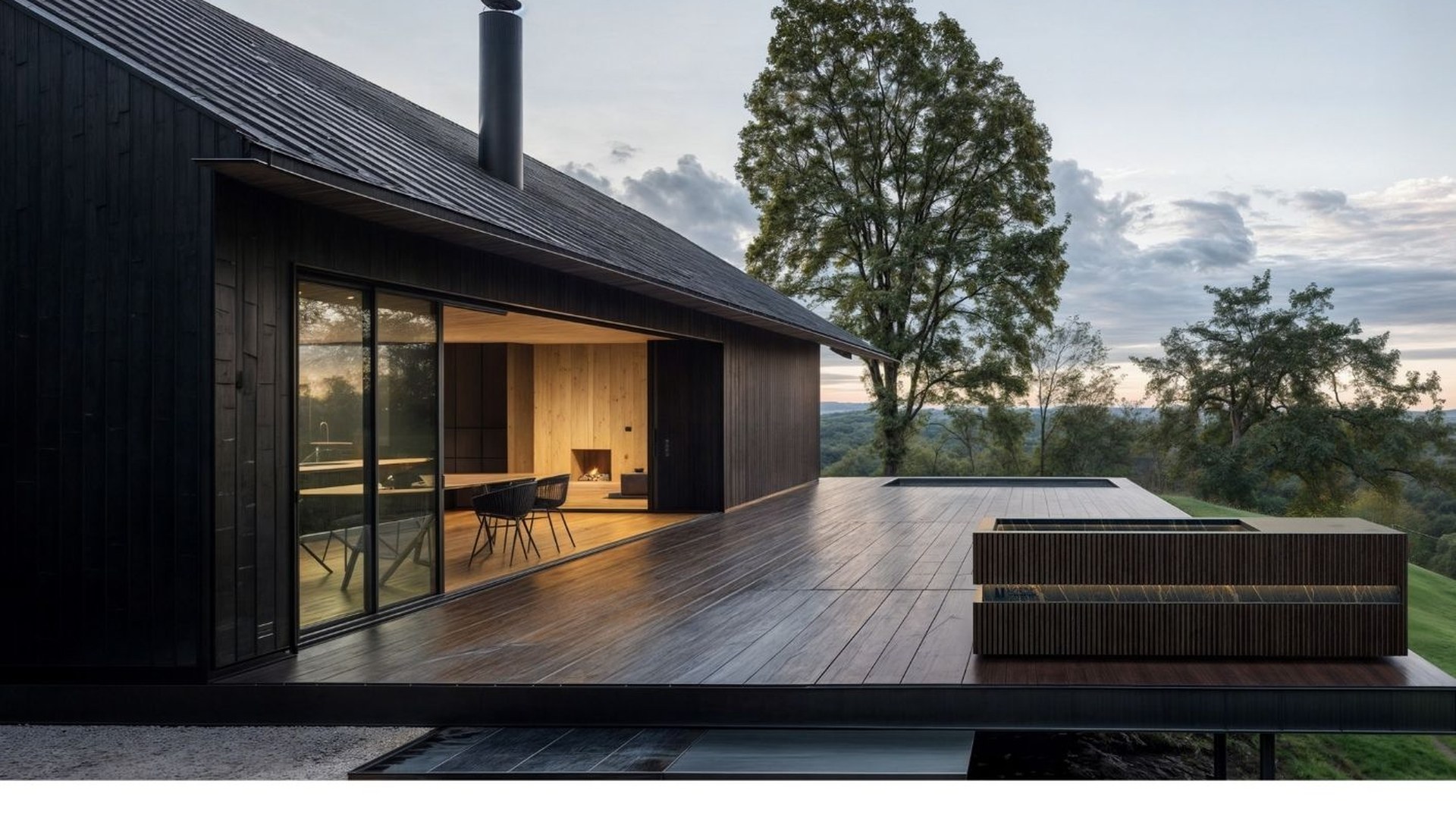
How Much Does a Luxury Cold Plunge Cost?
What drives the price of a premium cold plunge — the technical system, materials, insulation, water quality and the cost of ownership over time.
Buying Guides · 4 min read
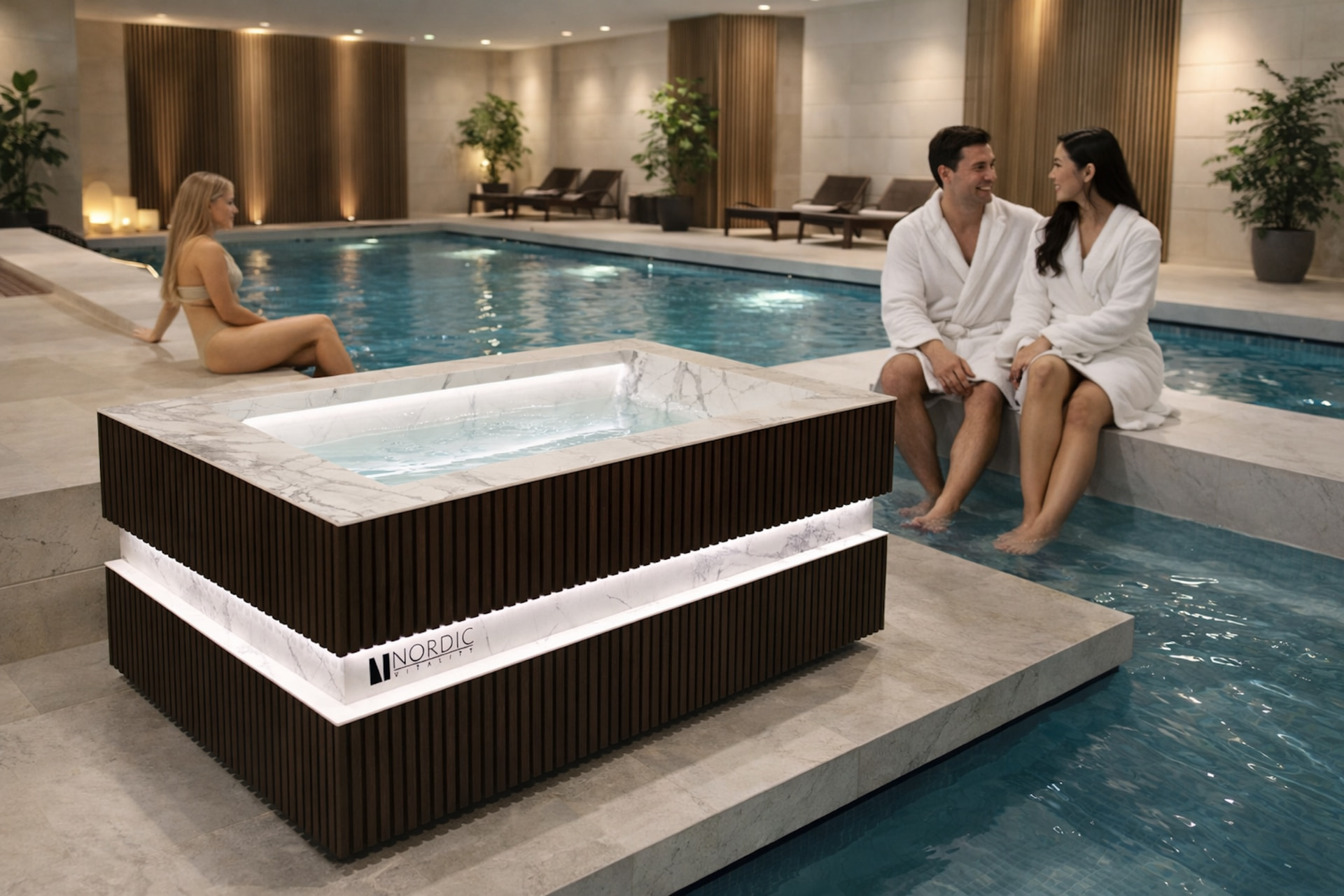
Hot and Cold Plunge Tub: One System for Recovery and Relaxation
How a hot and cold plunge system can support both recovery and relaxation in one premium residential wellness object.
The Collection
Explore the Kalachakra Collection
Discover handcrafted cold plunges and wellness systems designed for recovery, longevity and daily ritual.