Buying Guides
Hot and Cold Plunge Tub: One System for Recovery and Relaxation
How a hot and cold plunge system can support both recovery and relaxation in one premium residential wellness object.
Author
Kalachakra Editorial Team
Editorial
Published
August 2026
Reading
4 min read
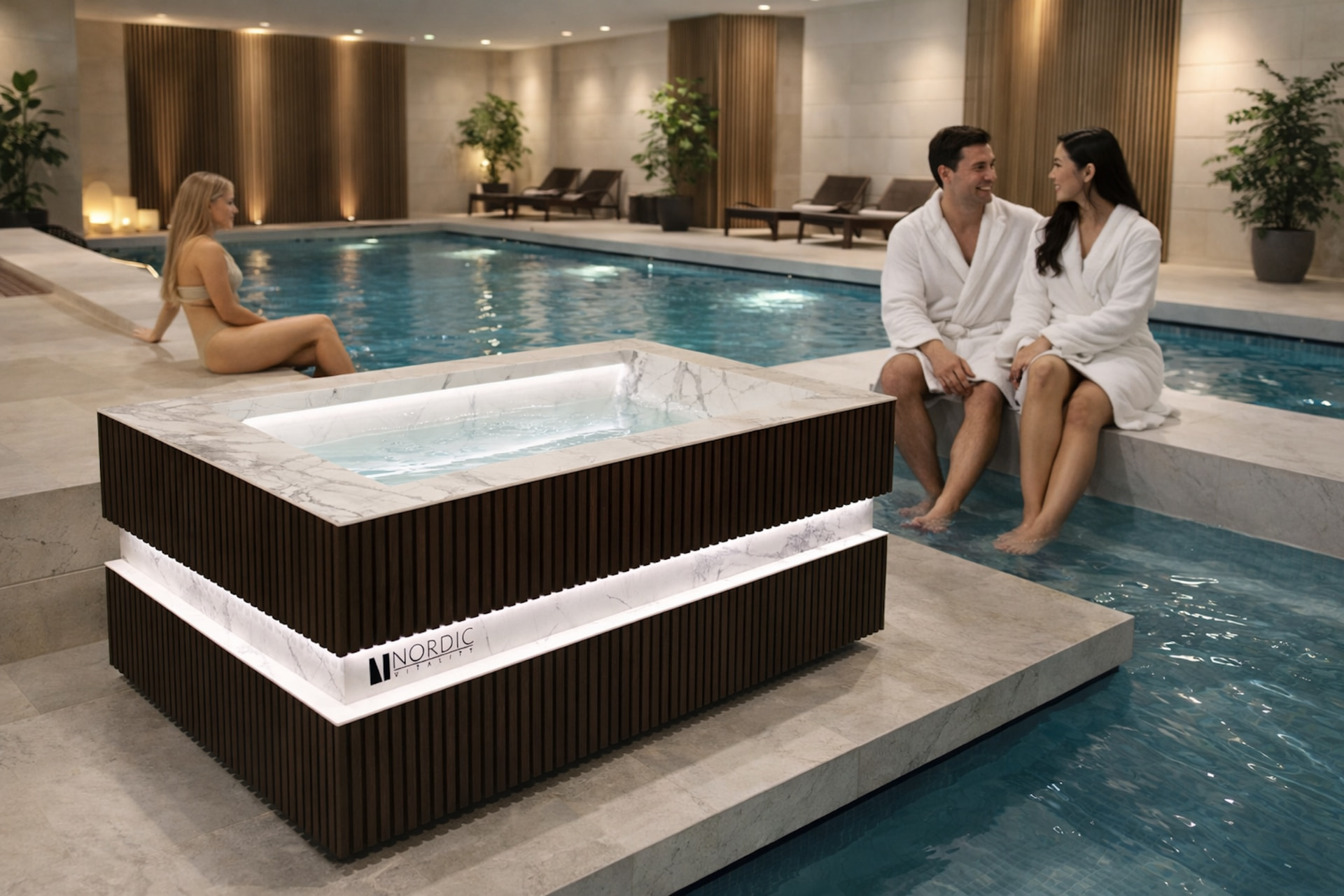
A hot and cold plunge tub gives a household more than one ritual. It can be used cold for alertness and recovery, warm for decompression and relaxation, and as part of a contrast routine when specified correctly. For a premium home, the attraction is simple: one architectural object can support several wellness practices without filling the space with separate equipment.
Longevity Plunge models such as LOKI, BJORN, FRODE and THOR are specified for water temperatures from +5 C to +40 C. That range allows the same bath to function as a cold plunge or a warm water bath. STIG is positioned differently: it is a freestanding hot tub, specified from +15 C to +40 C, with optional hydrotherapy jets.
Why hot and cold in one system matters
Many homes begin with a cold plunge because cold exposure is visible in sport, longevity and recovery culture. But daily wellness is not always about intensity. Some days the body needs a cold reset. Other days it needs warmth, quiet and stillness.
A dual-temperature system makes the product more useful across seasons, households and habits. One user may want a morning plunge at a low temperature. Another may prefer a warm soak in the evening. The same object can serve both, provided the temperature range and technical system are suitable.
The role of contrast therapy
Contrast therapy generally refers to alternating between warm and cold water exposure. Some people use it after training, sauna, travel or demanding work periods. The goal is not to chase extremes, but to create a controlled ritual: warmth, cold, rest, breathing and repetition.
Because individual tolerance and medical history vary, contrast therapy should be approached gradually. People with cardiovascular conditions, blood pressure concerns, pregnancy, neuropathy or other health issues should speak with a medical professional before beginning cold or heat exposure.
Designing the ritual into the home
A hot and cold plunge becomes more valuable when it is placed correctly. The best projects consider the path of use: gym to plunge, sauna to plunge, shower to rest area, terrace to changing room. The product should be close enough to the ritual that it gets used, but integrated enough that it does not dominate the home.
In private homes, the strongest locations are often wellness rooms, covered terraces, garden spa areas, pool houses and sauna-adjacent zones. In hospitality, the logic is similar: a sequence of heat, cold, recovery and quiet space.
What to look for technically
A hot and cold system needs more than a temperature display. It needs insulation, filtration, sanitation, a stable technical pack and a power supply matched to the region. It should also have a cover, drainage logic and service access.
Noise is another important factor. If the plunge is used as part of a restorative ritual, the machinery should not break the atmosphere. For the cold/hot models in the Longevity Plunge collection, operation is specified below 45 dB at 1 m.
Which model fits the ritual?
LOKI is the cleanest choice when the project needs an integrated technical pack and compact architectural form. BJORN is suitable for tighter spaces with a separate technical cabinet. FRODE adds deeper immersion. THOR is a larger deep wellness bath with the technical pack integrated. STIG is the freestanding hot tub option, designed more for warm relaxation and hydrotherapy than full cold exposure.
The right choice depends on whether the primary use is cold recovery, hot and cold flexibility, deep immersion, hydrotherapy or freestanding outdoor living.
FAQ
Can one tub be both hot and cold?
Yes, if the technical system is designed for both. LOKI, BJORN, FRODE and THOR operate from +5 C to +40 C.
Is STIG a cold plunge?
No. STIG is best understood as a freestanding hot tub with a +15 C to +40 C temperature range and optional hydrotherapy jets.
Is contrast therapy safe for everyone?
No. Heat and cold exposure can be demanding. Customers with medical concerns should consult a qualified healthcare professional before use.
Where should a hot and cold plunge be placed?
Near the natural wellness flow: sauna, gym, shower, terrace, pool house or recovery room.
Request a consultation to plan the right hot/cold ritual for your home, villa or private wellness space.
Request a consultationRelated essays
All essays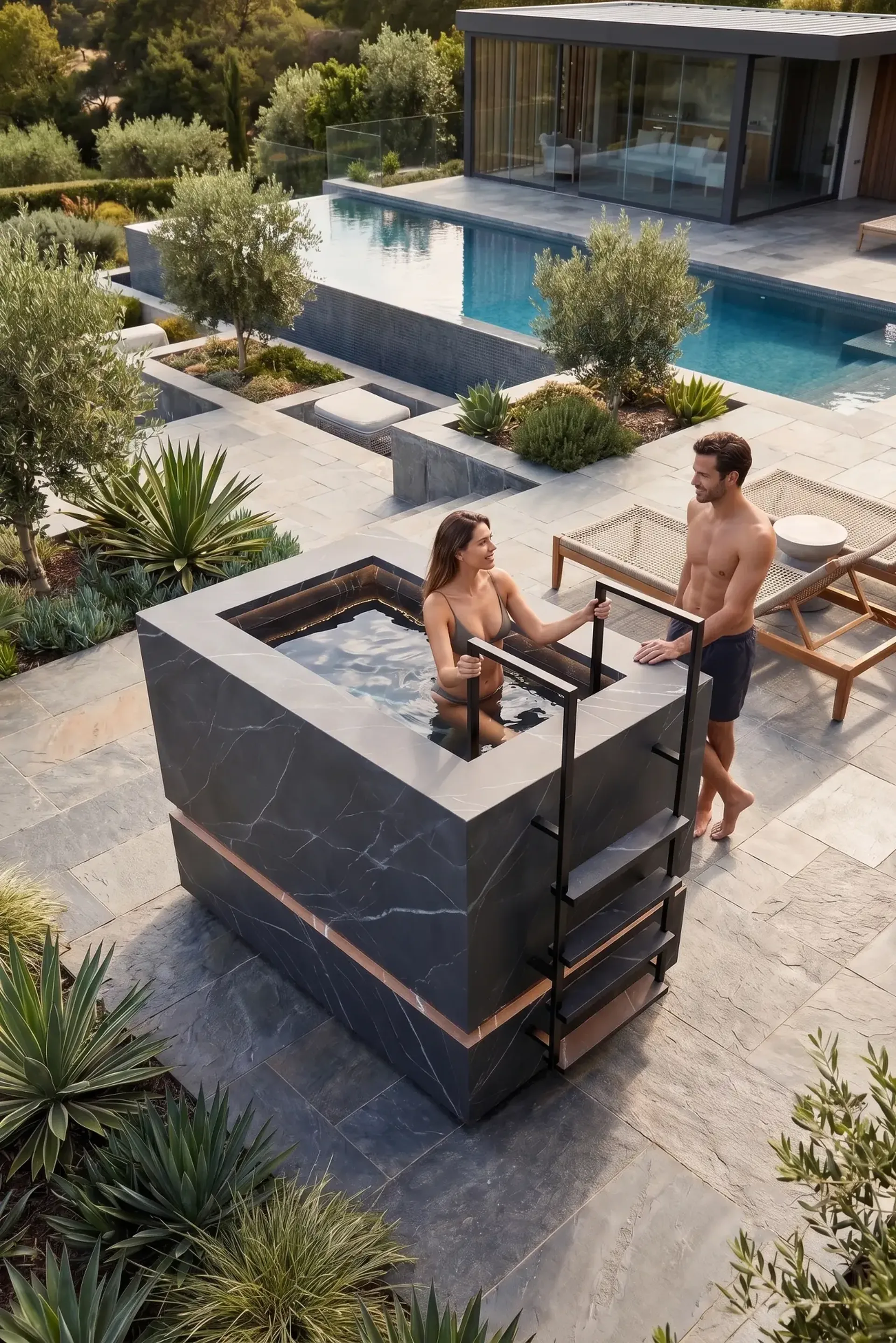
Buying Guides · 6 min read
Cold Plunge with Built-In Chiller: What to Know Before Buying?
Temperature range, noise, filtration, service access and architectural integration — what to review before choosing an integrated cold plunge.
Buying Guides · 7 min read
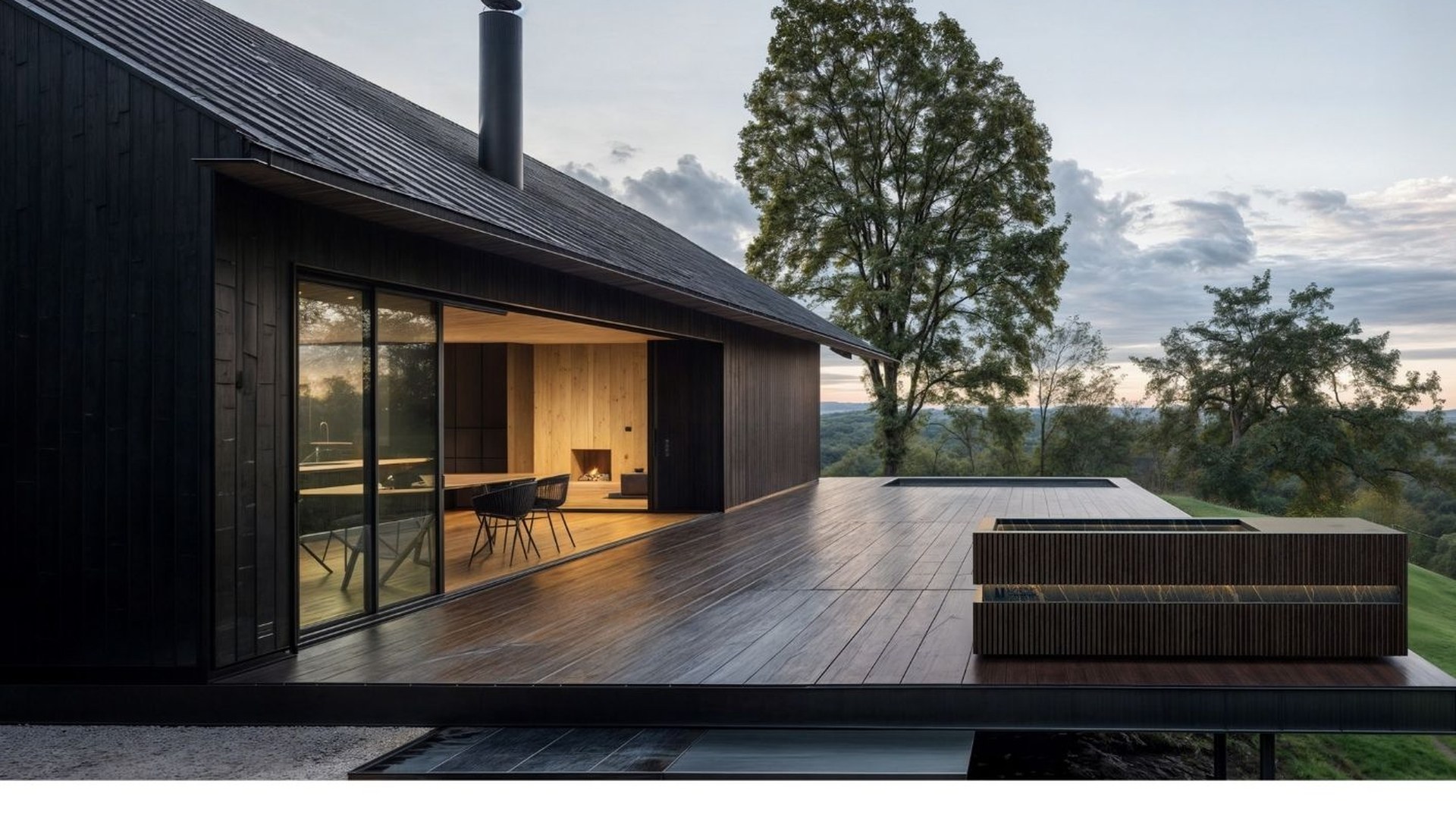
How Much Does a Luxury Cold Plunge Cost?
What drives the price of a premium cold plunge — the technical system, materials, insulation, water quality and the cost of ownership over time.
Buying Guides · 4 min read
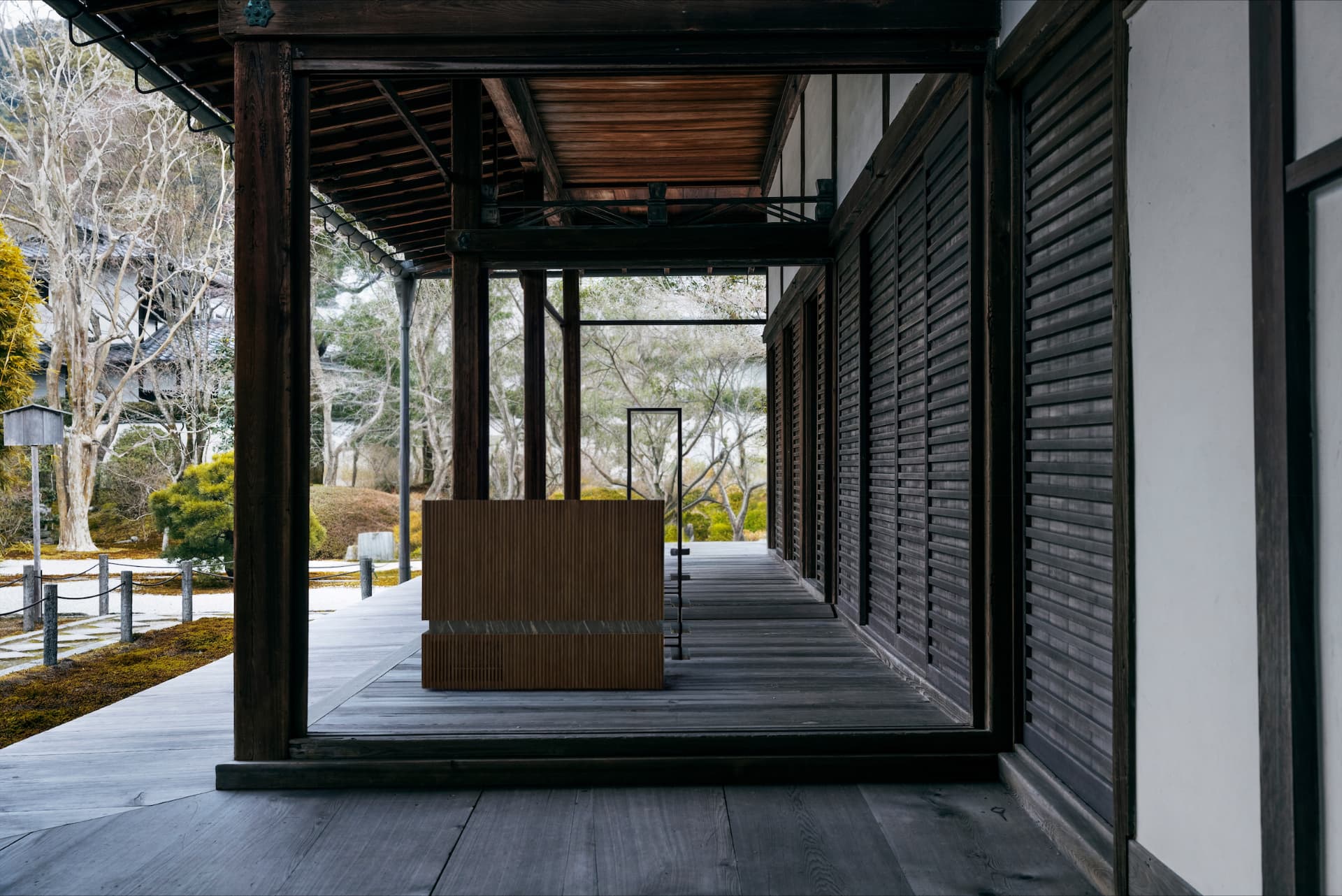
Indoor vs Outdoor Cold Plunge Installation
A practical guide to choosing indoor or outdoor placement for a cold plunge, including drainage, power, access, service and climate planning.
The Collection
Explore the Kalachakra Collection
Discover handcrafted cold plunges and wellness systems designed for recovery, longevity and daily ritual.